
Large-scale bioproduction hinges upon a comprehensive selection of feedstocks to create novel bio-derived items.
Protecting long-term supply of raw inputs underpins enduring viability and ethical market growth.
many concerns related to standard raw input procurement such as soil erosion and unchecked resource extraction. Consequently, biotech firms need proactively to adopt sustainable procurement approaches to reduce environmental impact.
- Situations demonstrating ethical sourcing encompass:
- Applying circular feedstocks from post-harvest streams
- Applying zero-waste frameworks to limit waste and optimize resource use
- Aligning with domestic providers that adhere to transparent sourcing
Such a move Calcium alpha-ketoglutarate to ethical procurement delivers ecological gains and commercial returns over time.
Optimizing Biomass Feedstocks for Enhanced Biofuel Production
Raising biofuel yields involves refining feedstock structure and content. Experts maintain efforts to discover ways to maximize feedstock value, leading to higher yields of biofuels and a more sustainable energy future. Strategies feature genetic optimization to raise biomass yield plus pretreatment to depolymerize plant polymers into sugars.
- In addition, projects pursue feedstocks like algae, waste fractions, and harvested residues to enlarge the selection of eco-friendly biomass for bioenergy.
- Through these continuous efforts, the field of biofuel production is poised to make significant progress in the coming years, paving the way for a more renewable energy landscape.

Biopharmaceutical Production: Innovations in Upstream Processes
covers the early phases of biopharma production including culturing and biological harvesting Current advancements have streamlined operations and improved bioproduct yields.
Crucial progress includes proprietary cell systems, optimized growth media, and adaptive bioreactor architectures. These changes expand productivity and help reduce both financial and environmental overhead.
- Likewise, the move to continuous systems facilitates better adaptability and streamlined upstream production.
- The adoption of higher-tech manufacturing practices will likely disrupt traditional models and speed therapeutic launches.

Precision Genomic Tools Enhancing Biopharmaceutical Yields
evolutions in genetic modification techniques have optimized therapeutic biosynthesis. By precisely targeting genes within host organisms, researchers can enhance the yield of valuable therapeutic proteins. The approach may facilitate scalable, low-cost therapeutic production for numerous diseases.
Using Microbial Systems for Site-Specific Remediation
advanced microbe-driven remediation methods to treat contaminated sites sustainably. Selected microbial cultures can remediate contaminants through biodegradation pathways.. Leveraging microbial biotransformation promotes sustainable remediation that curbs industrial environmental impacts.. Scientists evaluate varied microbes for potential to remediate metal contaminants, pesticide compounds, and oil-derived pollutants.. Microbial strains work in bioreactor settings or on-site applications to convert pollutants through biological pathways..
Microbial remediation approaches present key benefits relative to classic remediation methods. These methods are economical and eco-conscious while reducing hazardous secondary waste. Also, microbial interventions offer targeted remediation that minimizes collateral ecosystem disturbance. Advancements continue apace to increase the speed, efficiency, and applicability of microbial remediation techniques.
Bioinformatics' Impact on Drug Design
Computational biology approaches are becoming vital across contemporary drug R&D. From predictive screening to lead refinement, computational biology underpins more efficient drug pipelines.
- By analyzing vast datasets of genomic, proteomic, and clinical data, bioinformaticians can uncover novel drug targets and predict the activity of potential therapeutics.
- Additionally, simulation tools enable prediction of binding and activity, guiding creation of more potent drugs.
- Finally, bioinformatics is revolutionizing the drug discovery and development process, accelerating the time to bring safe and effective treatments to patients in need.
Fine-Tuning Metabolism to Maximize Bioproduct Synthesis
employs a variety of strategies to augment the synthesis of valuable bioproducts within microorganisms. Approaches may include genome edits to rewire pathways, transcriptional control to tune expression, and heterologous gene insertion to add functions.. By refining pathway flux and regulation engineers can significantly raise bioproduct production.
The multifaceted strategy promises to reshape sectors like biotech, agritech, and renewable fuel industries.
Barriers and Benefits When Expanding Biopharmaceutical Manufacturing
Upscaling therapeutic manufacturing brings major obstacles along with promising prospects. Sustaining uniform quality across expanded production capacity is a principal challenge. Managing it necessitates robust automation, high-fidelity monitoring, and powerful analytical capabilities.
Another concern is that bioprocessing workflows are inherently complex and multi-staged.. Scaling optimization is a resource-intensive task that calls for substantial innovation and study.. Despite challenges, the benefits may be considerable. Achieved scale can widen availability of treatments, lower manufacturing costs, and boost financial returns.
A range of strategies is being implemented to address scaling problems. Approaches include cutting-edge process optimization tech, comprehensive analytics for control, and disruptive manufacturing designs.
- Innovation programs are essential to expand production competencies.
- Regulators are adapting frameworks to speed authorization of novel manufacturing approaches and spur innovation.
Navigating the Regulatory Landscape for Biopharmaceuticals: Ensuring Safety and Efficacy
Creating biologic medicines requires strict regulatory controls to maintain both patient safety and therapeutic value. Living-source therapeutics present distinct obstacles in regulation and production relative to classical drugs.
Regulatory authorities including FDA and EMA are central to creating criteria and processes for approving innovative biologics..
Comprehensive testing regimens must be followed from early-stage research through ongoing post-approval monitoring.. Those requirements help reveal risks and confirm that biologics satisfy stringent safety criteria..
Also, governing institutions evolve their strategies to respond to swift advances in biopharmaceutical science.. Initiatives cover incorporating new methods and supporting faster development while ensuring patient protection.

Harnessing Plant Feedstocks to Create Biodegradable Plastics
Increasing interest in sustainable materials spurs innovation in renewable resource development. Plant-derived biomass as input for bioplastics represents a practical route toward greener materials. Plant-based biomass resources such as cornstarch, cellulose, sugarcane can be processed into biodegradable plastics that degrade naturally, minimizing the environmental impact of conventional plastics.
Concurrently, several bioplastic formulations approximate conventional plastic traits and serve wide-ranging applications. Ongoing R&D is essential to scale plant-based bioplastics and realize circular economic benefits.
Biotechnology's Potential to Transform Health and Food Supply
Biotechnology has emerged as a powerful tool with the potential to revolutionize global health and address food security challenges. Through CRISPR, synthetic circuit design, and cell therapy progress, developers generate methods to counter infectious agents, optimize crops, and elevate nutritional profiles.. Illustratively, crops altered for pest resistance and stress endurance support increased harvests and diminished pesticide usage.. Also, biotechnological innovation fuels development of immunizations, antimicrobial treatments, and diagnostic platforms vital for disease control and population health.. With persistent development, biotech stands to offer transformative solutions for global health and long-term food security.
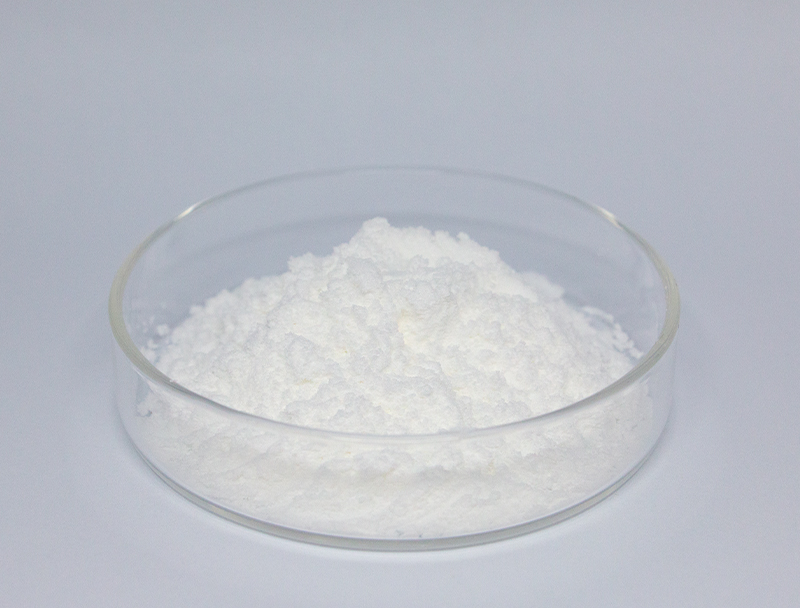 NMN
NMN